What To Do in Retirement - Your Retirement Lifestyle
Retiring in Australia? Have you been planning for a comfortable retirement lifestyle? The best retirement you could ever hope for results from the type of preparation you put into the transition from a working life to a non-working life.
Here are a few considerations to factor into a successful Australian retirement:
1 - Slowly Reduce Your Workload
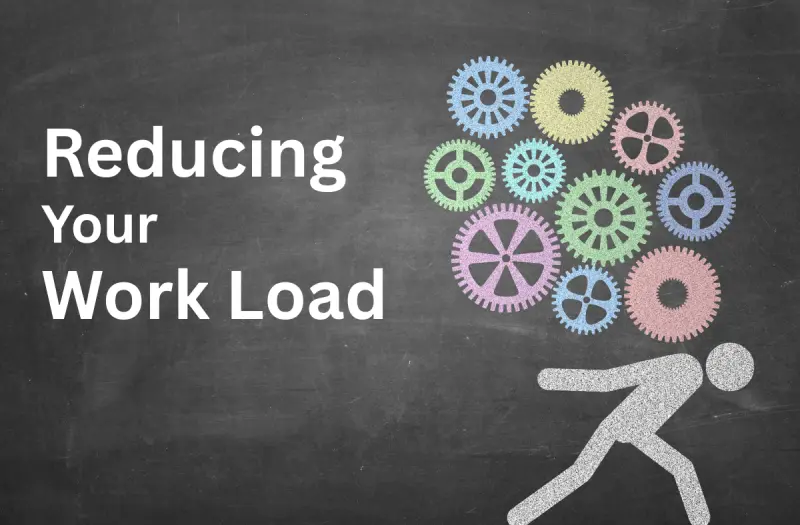
You probably have a date in mind as to when you plan to quit your job and relax for the rest of your days. The thing about retirement is that you can stop immediately or you can gradually reduce your workload. To help yourself adjust to a retired life, it is best to slowly reduce the amount of work you do. This can go from a 40-hour full-time work week to a 20-hour part-time work week. The point behind pulling back slowly is that you can control how long you intend to keep working, and cutting back your hours helps you to adjust to a lighter workload.
2 - Filling That Extra Time
Long before you punch the clock for the last time at the end of your final shift as an employee, you should be thinking about the extra free time you will have. It will require attention, as you cannot just leave it as you may encounter difficulties with focus, motivation, and other issues. The extra time retirement frees up must be used somehow, and constructive ventures are always a good way to go. Maybe you will get involved in your community, travel more, improve your golf game, and finally read those books you’ve been wanting to read, or whatever you feel is the best next thing to do. You just need to have something in mind to occupy yourself when you are no longer working.
3 - Establish Goals
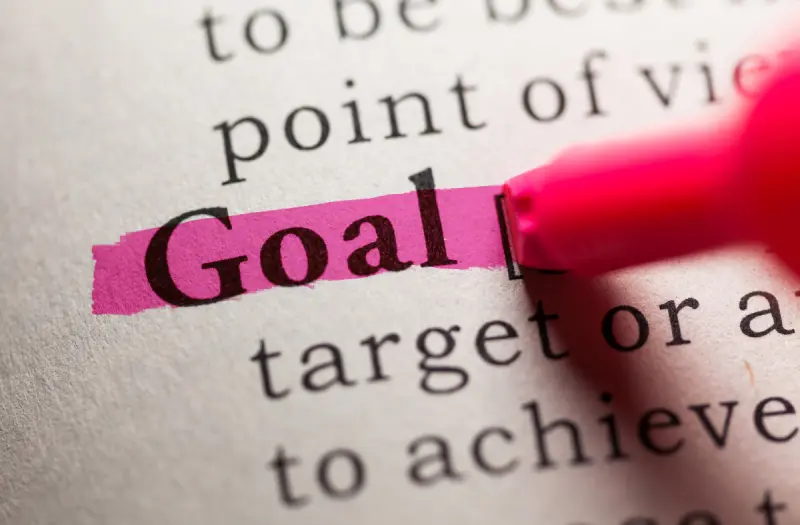
Although this sounds like work, you still need reasons to get up in the morning and do something. Goals give you targets to aim for. Think about it for a moment. When you were working full-time, you measured your work success through a series of milestones. They kept you on track and tracked progress. Setting goals in retirement serve the same purpose, although the goals are going to be non-work related. For example, instead of trying to sign deals with six new clients this week, as you may have done on the job, this week’s goal may be to learn something new on the guitar or trumpet, or computer.
4 - Plan How to Adapt to A Change in Income

Spending and lifestyle expectations are going to shift once your regular employment pay cheques appear in your bank account. If you planned right in advance, it should be a minor adjustment. However, savings and investments are going to become topics of discussion far more now than before. The last thing you need in retirement is stress over money.
5 - Make Meaning and Purpose Priorities
What makes you get out of bed in the morning? While you had a busy working life, your job or business defined you or at least contributed to your identity. In retirement, that changes. It is a new life you are leading, and you are no longer your work. You are now just you. Retirement is a lot like living in a place where you are no longer accountable to the people you worked with or for. Now there is no accountability in that format. What you need now is a method to recognize success and achievements made in your new world. In other words, meaning and purpose for what you do daily in your non-working life.
6 - Discuss Your Retirement Plan with Others

Remember, your retirement plan must be custom fit for you. There is no such thing as a one-size-fits-all as what works for someone else you know is very likely not going to lead you to retirement bliss. This is why you should share your retirement plan with family and friends so they can recognize that you are going to experience some changes.
Some Other Things to Keep in Mind
When you share your retirement plan with others, your partner is a key part of that circle, and your discussion is going to be different with them compared to what it will be like with others. Here are a few factors to consider when having that conversation with a partner:

Negotiate Expectations
There are going to be times when you need time apart. After being gone for most of the day during your working life, you cannot be expected to shut that off and be in the same space as your partner 24/7. Hobbies and activities away from home will help with this.
Define Household Expectations
Now that you are going to be around the house more, what can you contribute? Maybe you are a bit handy and are willing to take on the role of maintenance person. Or possibly you have an interest in gardening, cooking, housework, or whatever keeps you occupied and contributes to the home you share with someone else.
Coping With Each Other Constantly
As stated, being together 24/7 is going to be different and may require a transition of its own. Develop strategies that will help both of you to keep this positive experience and not something that tears your relationship apart.
Avoid Loneliness
Retirement may result in isolation. This is not good as it can lead to loneliness, depression, and several other mental health issues. Retirement should be a part of your life you are looking forward to, as it allows you to do things you may never have had the time to do before. Don’t allow it to be a negative experience.
Conclusion
Retirement is a part of your life where you have changed from a working individual to a non-working one. It can be a difficult transition if you have not planned for it properly. Fortunately, there are many ways to prepare for retirement, and with the support of friends and family, you should be successful at making the change. If you encounter difficulties in any way, you can seek advice from a professional who will help you maintain your mental health. With good mental health, you can enjoy retirement and never get bored or lonely.