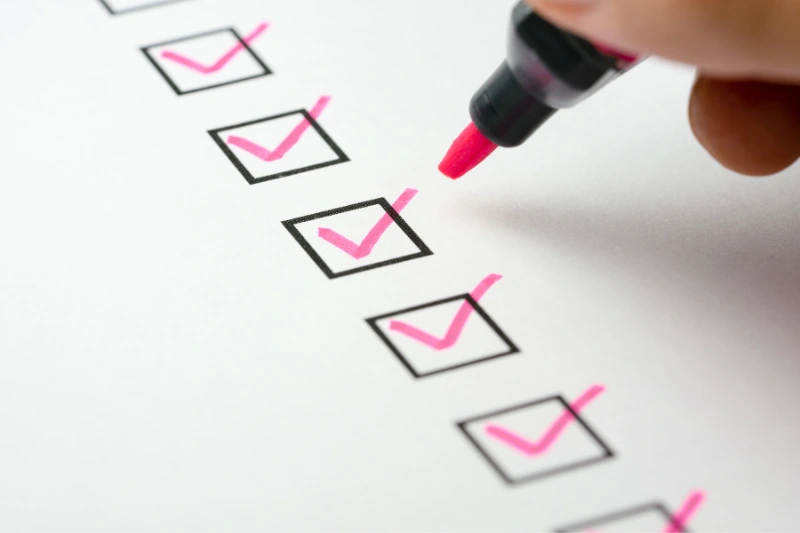
So, you have started contemplating retirement. It’s a big step that should not be taken lightly but may present a few hurdles along the way. One tool that will help you get closer to the goal of retirement in Australia is a checklist.
Here is one for you to consider.
Your Retirement Checklist
Item 1 - When To Retire
There is no set age for retirement in Australia. But other factors may speed up the process. They include your health, your cash flow, your potential job opportunities, your preferences, and those of your partner, and when you can access your Age Pension and Super. Once you have answers to all these factors, you may be able to narrow your target down to a specific age or range of ages.
Item 2 - What You Want in Retirement
What exactly are your retirement plans? You may wish to do several different things or focus on something specific. Here are a few ideas to help inspire you:
- your social life
- recreation opportunities
- remaining healthy and active
- your retirement living options
- assisting family or friends
Item 3 - How Much Money You Will Need
Funding a comfortable lifestyle is going to be expensive. It all depends on what that lifestyle looks like to you. For an idea of what retirement costs could be, the ASFA (Association of Superannuation Funds of Australia) states that in June 2025, those who were between the ages of 65 and 84 planning to retire today needed an annual income of between $53,289 and $75,319.
A modest lifestyle would cost somewhere between $34,522 and $49,044. If you are renting your home and living a modest lifestyle, you would need between $49,044 and $66,296 annually.
Item 4 - Where Your Money Comes From
There are going to be a few different sources that will fund your retirement. They may include the following:
Your Super Fund
You can typically access your Super once you reach your “preservation age,” which will fall between 55 and 60. It is also helpful to know what the Super Fund has in it before you need to access it, as the figure will help with budgeting.
Savings, Investments, Inheritance
Your life savings, income coming from shares or an investment property, or proceeds from an estate may all contribute to your retirement. Again, knowing the approximate values of each will be beneficial to you as you inch closer to making it official that you are retiring.
Government Benefits
You may or may not be able to access an age pension starting from the ages of 65 to 67. Eligibility depends on several factors revolving around your income and assets. If you qualify, that’s great, as these benefits will add more to your retirement budget.
Item 5 - Withdrawing Your Super
Tax implications will vary depending on how you choose to access your Super, so it is a good idea to do some homework before you tap into this fund. However, there are ways to get at it that do not involve withdrawals.

Retirement Pension Transition
You can transition your Super Fund to a retirement pension. This gives you a portion of your Super in the form of regular payments that will keep coming to you whether you choose to work or not. You can work full-time, part-time, or casually, and that won’t impact the payments.
Account-Based Pension
Also known as an allocated pension, this may be a tax-effective option worth considering. Its value is based on the amount of your Super, so it won’t be a long-term income, but it will be something.
Annuity
This is another solid option that provides guaranteed payments across several years, or the rest of your life, depending on which product you have. This is a secure alternative that is not impacted by financial markets but is far less flexible than other options.
Lump Sum
You can always consider withdrawing your Super as a lump sum. However, the reason why you need to seriously think this over before you go ahead is that once the money in your Super Fund is gone, you will need to find a way to maintain your lifestyle. So, be very careful with this one.
Item 6 - What Else You Will Need to Take Care Of
Existing Debt Load
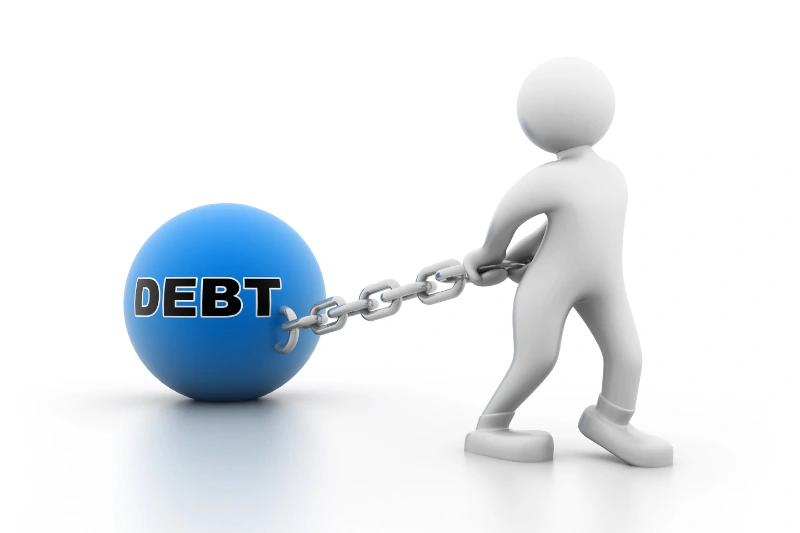
If you are carrying debt into retirement, it will put a serious crimp in your lifestyle. One way to lessen the impact debt has on retirement is to try to pay it off while you are still employed and earning a good wage.
Estate Planning

While it may not be top of mind currently, you will soon need to make some serious decisions on how your estate is handled once you pass away. Estate planning, with a Will, should put your mind at ease knowing that your wishes are documented so that they can be carried out as you intend.
Item 7 - Making Final Super Contributions
It makes sense. If you can put more money into your Super Fund before you retire, the more money it will hold when you need it as part of your retirement funding. Expect to learn about limitations and contribution caps once you start investigating your options, but that will help you to add to your fund the best way possible.
Conclusion
When it is time to consider your best retirement in Australia, you can get closer to that reality by following a simple checklist outlining items that require your undivided attention. Once you figure out when you plan to retire, you need to figure out what it will cost you and where that money will come from. Retiring in Australia may include a pension or other sources of income. Once you have a better understanding of the costs and how to cover them, you will be able to comfortably retire.